Here is an exclusive interview with Matt Yeo, the editor for “LEGO Adventures! Magazine”. The magazine ran from 1999 to 2002 and has gained a small cult following since its discontinuation.
CAN YOU TELL ME A BIT ABOUT YOUR BACKGROUND?
I started my magazine career as a video game journalist. I worked on a lot of unofficial and official video game magazines, and I basically stumbled into video game journalism when SEGA and Nintendo home consoles really started to take off.
For me, that would’ve been the Mega Drive and the Super Nintendo, as those were just huge. So I worked on lots and lots of different video game magazines. I eventually found myself in London, working for a company called EMAP. They put out the Official Nintendo Magazine and, at the time, another big UK magazine called CVG (Computer and Video Games magazine). I was also working on the official SEGA Dreamcast Magazine.
HOW DID YOU GET INVOLVED WITH EGMONT?
Unfortunately, the Dreamcast didn’t do very well because the PlayStation had launched, and that was huge. It was stealing everybody’s thunder, really, so SEGA called it a day. The company I was working for said, 'Well, we’re going to close the SEGA Dreamcast Magazine. You’re being made redundant, the staff are being made redundant.' So I was thinking, 'Well, what are we going to do next? Do I just move on to another games magazine?` Jason McEvoy, one of the designers I was working with on Dreamcast Magazine, said, 'I hear there’s this company called Egmont Fleetway, as they were known at the time. They’re looking to start up an official LEGO magazine, and they’re looking for staff. They’re looking for an editor and a designer.'
We applied for these jobs and had an interview. Bear in mind, I’d worked on games magazines but I’d never worked in kids' publishing. So I went along and we both got hired, which was great. It was my first job in kids' publishing and my first job as an editor. Up until then I’d only gotten as far as Deputy Editor but now, here I was, an editor. Which sounds great, but I had no idea what I was doing! So I was just sort of making it up as I went along.
Fortunately, I had a very good mentor at Egmont Fleetway, a guy called Colin Shelbourn, who was the editorial director at the time. He took me under his wing and taught me the ropes about being an editor. I’m not sure if this is right, but I think he might’ve been part of the negotiations between Egmont Fleetway and the LEGO Group at the time to secure the license to produce a monthly official magazine.

WHAT CAN YOU REMEMBER ABOUT YOUR ROLE IN THE CRAFTING OF LEGO ADVENTURES MAGAZINE?
When myself and Jason McAvoy joined, everything had already been set up. The deal had been done with LEGO, and they were just looking for a team to come on board and take on the magazine. So that’s where we came in. It was just the two of us.
We had lots of meetings with the LEGO Group, who were based in a place called Slough at the time. You might know Slough from the UK version of The Office, which was set there. It’s not the most glamorous place in the world! I don’t know why the LEGO Group were there exactly, but I think part of it was that they weren’t too far from LEGOLAND Windsor, which was just down the road. So I guess it was convenient.
We came on board a few months before the magazine was due to launch, so we really had to hit the ground running. We had lots of discussions about what could go into a LEGO magazine for kids, because there hadn’t been a newsstand LEGO magazine for children before. There had been the LEGO World Club magazine, but this was something completely different.
Egmont Fleetway were experts in children’s publishing. They knew how to produce quality kids’ magazines, and they already published a lot of licensed titles like Disney, Thomas the Tank Engine, and others for younger audiences. LEGO had their opinions about what the magazine should be, and Egmont Fleetway had theirs and so eventually we sort of met in the middle.
The idea was that the magazine would be monthly in the UK, available on newsstands, but also offered as a subscription, so you could have it delivered to your house. In the UK market at the time, and honestly even now, most children’s magazines come with a free gift on the front. A lot of them come in plastic bags, you tear them open and the gift is inside, along with the magazine. At the time, LEGO and Egmont couldn’t really afford to put actual LEGO bricks or sets on the front of the magazine, which sounds crazy in hindsight. So we had to come up with creative solutions for cover gifts. Because, at the time, and still today, the gift is often what sells the magazine, rather than the other way around.
We did a lot of sticker sheets, posters, and paper-based gifts. I remember one issue even had a mouse mat. Then, later in the run, while I was still editor, which I think was until around 2000, maybe a bit longer, we did eventually get a few polybags as cover gifts. Nothing that was made exclusively for the magazine, but if LEGO had 50,000 polybags left over, we’d be lucky and get to use those.
So, that’s basically how I got to Egmont and how we started on "LEGO Adventures!". The deal and the name were already in place. It just needed a team to come in and run with it. That was the setup."
WHAT WAS THE RELATIONSHIP WITH LEGO MEDIA LIKE?
What was interesting was, we had a lot of meetings with LEGO at the very start of the whole process. Every month, we’d either have someone from LEGO come to see us, or we’d go to them. I think the name of the person we dealt with at LEGO, which at the time was called LEGO Media International, was Sarah Camburn.
I think she might’ve come from a publishing background, maybe books. Loved her to bits, but Sarah and I had very different ideas about the magazine. Sarah and I would butt heads on things all the time. I’d go to Colin and say, 'I’ve got this issue, how do we get past it?' And we always figured it out. We’d come to some kind of compromise. It was completely fine.
Sarah and I acted as a team. She was representing LEGO, and I was representing Egmont Fleetway. Like I said, we met in the middle. We had a really good working relationship with LEGO. I think back then, we may have even got away with a lot more. That was probably because it was a new thing for both companies, so we were all just finding our feet, really. The magazine ended up being a big success and it ran for about four years. We also had a lot of what we called co-editions. The magazine was produced in the UK, and then Egmont Fleetway, which was part of a larger European publishing company called Egmont, sold the license for "LEGO Adventures!" to other countries. There was a Polish version, a German version, a Russian version, and so on. Those countries bought the content we created and localized it, meaning they translated all the UK text and put out their own versions. It was really interesting.
After a few issues, LEGO came to us and said they really wanted the bricks that appeared on the magazine pages to match physical bricks in terms of size and scale. We used them a lot, as borders and frames, to be one-to-one scale. They wanted a child to be able to take a real LEGO brick, place it on the page, and have the studs and everything line up exactly. We worked really hard to figure that out.
And then they came back and said they wanted the brick colors in the magazine to match the actual brick colors. We just said, 'It’s impossible.' You're talking about matching plastic to printed ink, it's not the same medium. We went back and forth a lot. I think eventually they realized that what they wanted just wasn’t achievable in print, at least not at the time. Things have changed now with technology. A lot of LEGO books today get pretty close, but back then, it was a big ask. A really tricky thing to get right. So we just tried to placate them as best we could.
But overall, we had a very good relationship with the LEGO Group.

WHAT KIND OF REFERENCES/GUIDELINES DID YOU RECEIVE?
The LEGO Group (LEGO Media) gave us access to a special online archive of digital assets, which I don't think exists anymore, that we could access at the time, which was excellent. This made putting the majority of the magazine together very easy, because if you needed a picture of Johnny Thunder, or you needed a picture of LEGO Space or a logo, or whatever it was, you could go onto the website, search by categories, and then just download all of the digital assets you wanted. Then the designer would cut them out and put them on the page, which was a very fast way of working.
We had style guides too, which you usually get from a license-holder like LEGO. They’d send you a disc, or sometimes a physical book, that laid out the rules. Things like, 'You have to use the logo at this size,' or, 'You can’t crop it,' or, 'Don’t stretch it.' Just a lot of standard branding do’s and don’ts. Some of those were strict, like not being allowed to cover up the LEGO logo, but other parts were more open to interpretation. They basically gave you the tools to get started, the assets, the brand guidelines, and then it was up to us to build upon that. And every year, the style guide would grow. As LEGO developed more assets for their themes, those would get added in, either digitally or in updated physical materials. It really was like a growing toolbox we could dip into.
One of the most exciting things we got early access to was LEGO Star Wars. We’ll talk more about that in a bit, but we were shown stuff before the public ever saw it. And I’m a huge Star Wars fan, so to be there when LEGO signed the license with Lucasfilm, it was amazing. A lot of people thought at the time that it was a waste of money and now, decades later, it’s still their biggest-selling theme. So yeah, we had early access to upcoming products. We knew what was coming down the pipeline. It was a very exciting and unique relationship.
WHAT CAN YOU REMEMBER ABOUT THE DEVELOPMENT OF THE COMICS?
Before I was a magazine journalist, I actually went to art college. I trained as an artist and a designer. So when it came to putting together the comic strips, Egmont Fleetway had already contacted a UK company called Artworld UK.
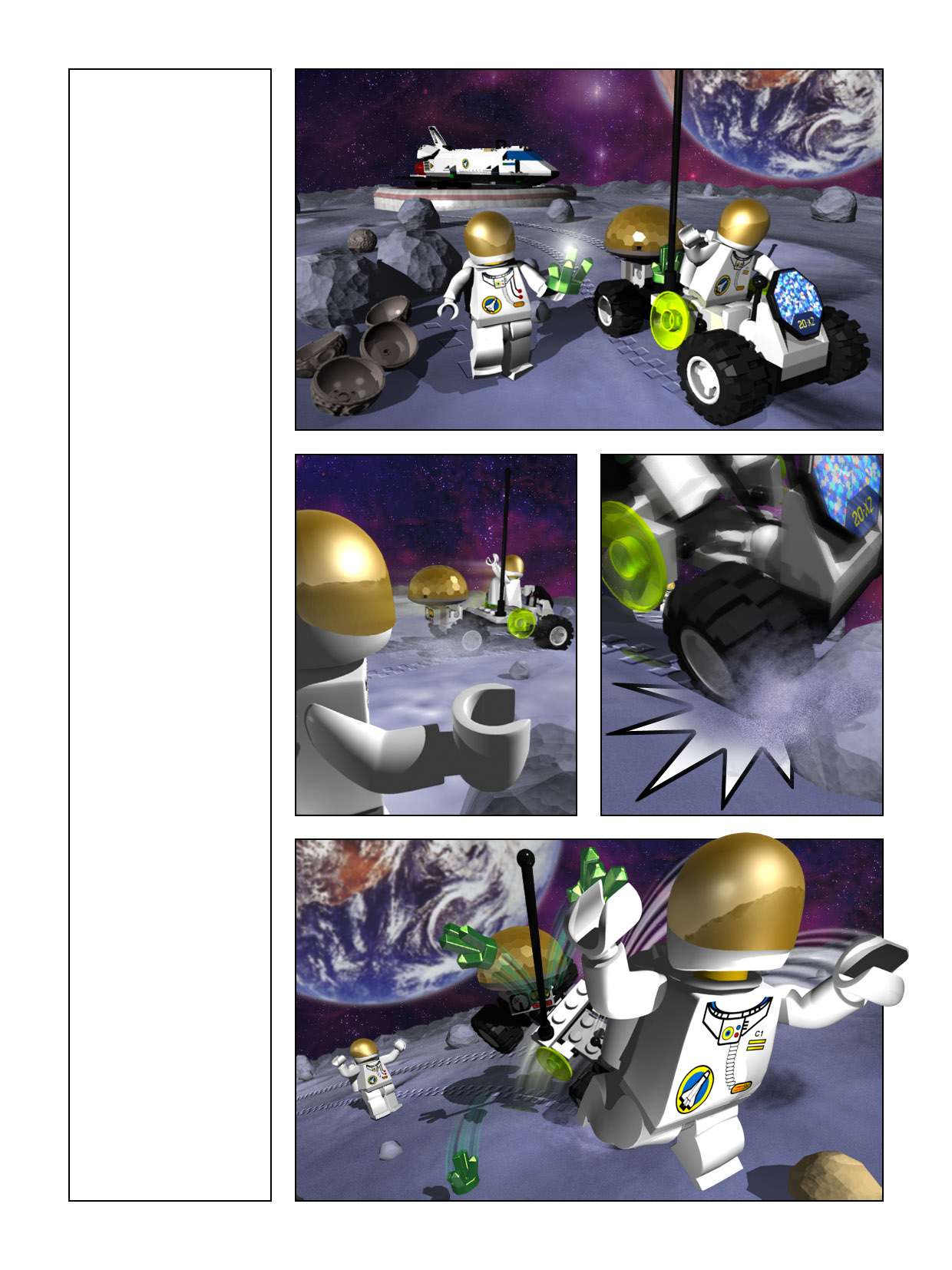
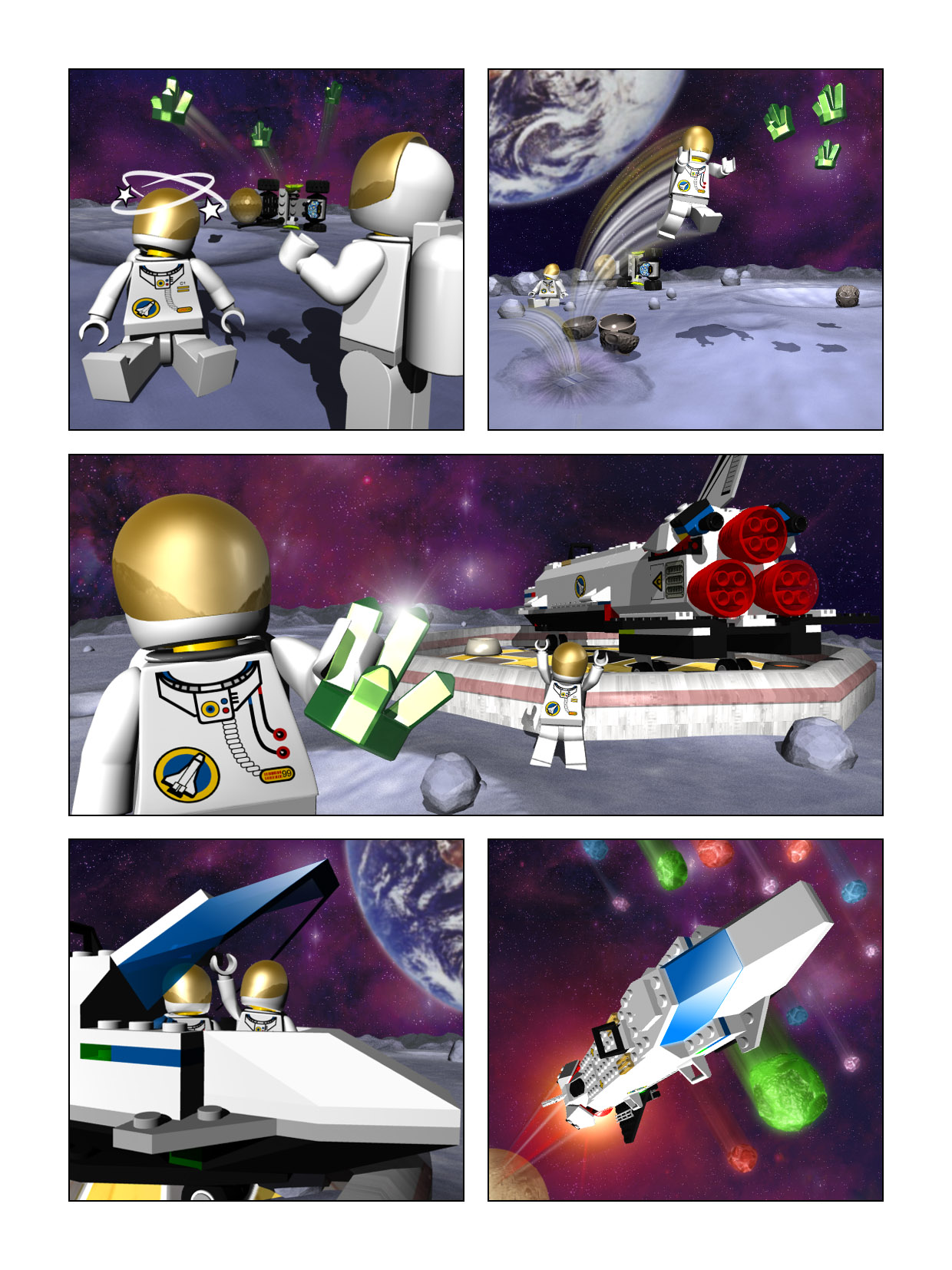
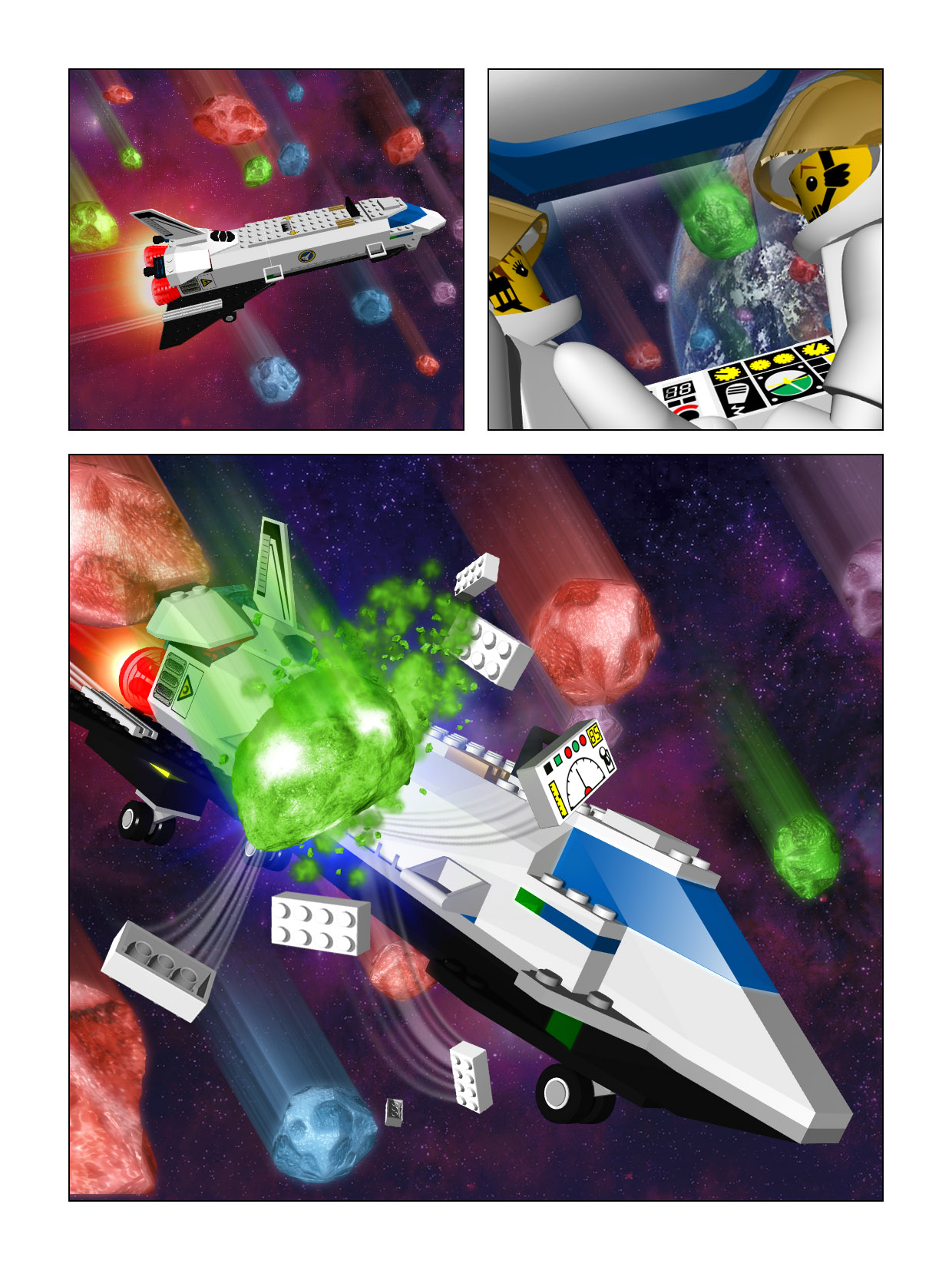
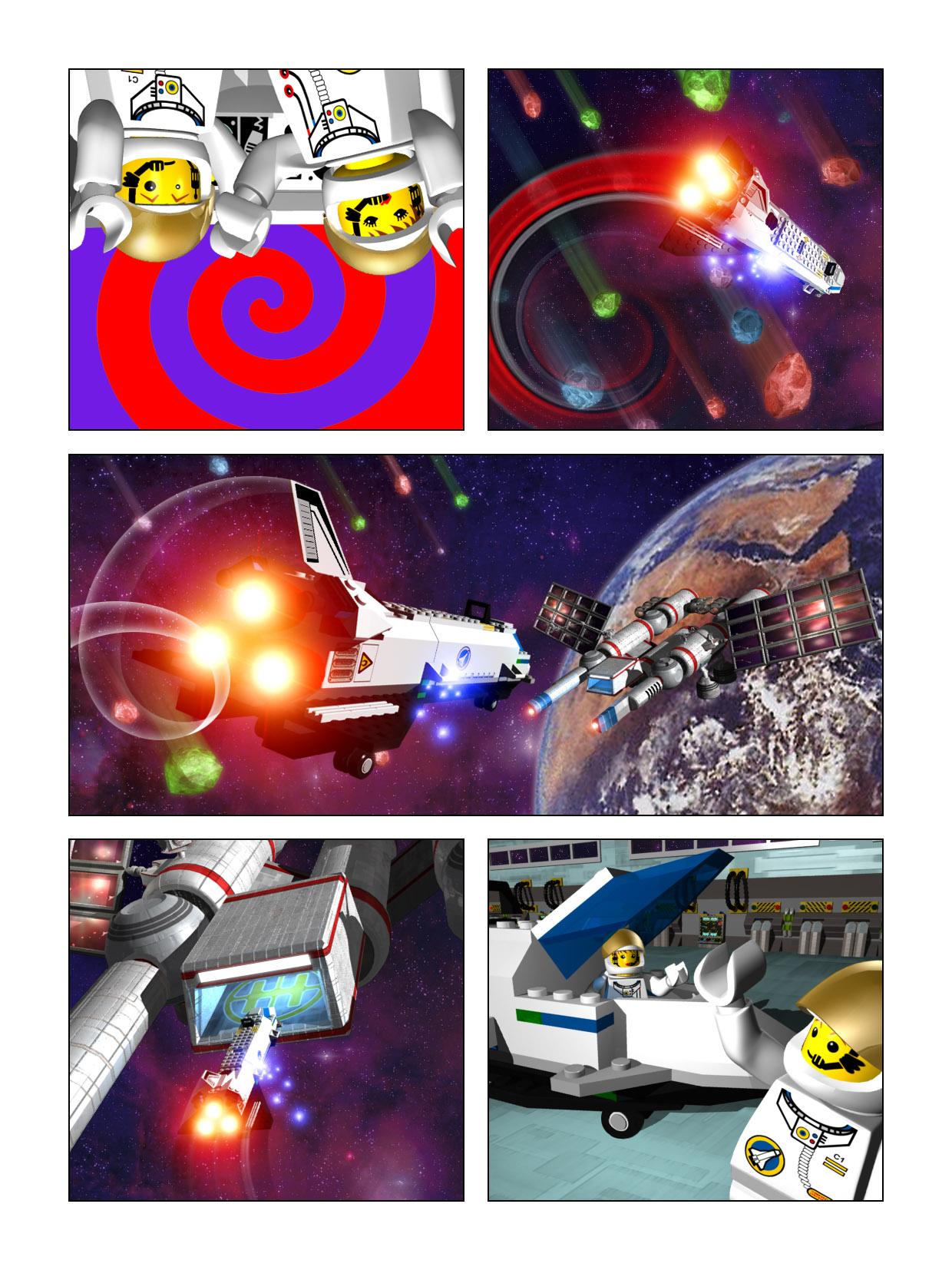
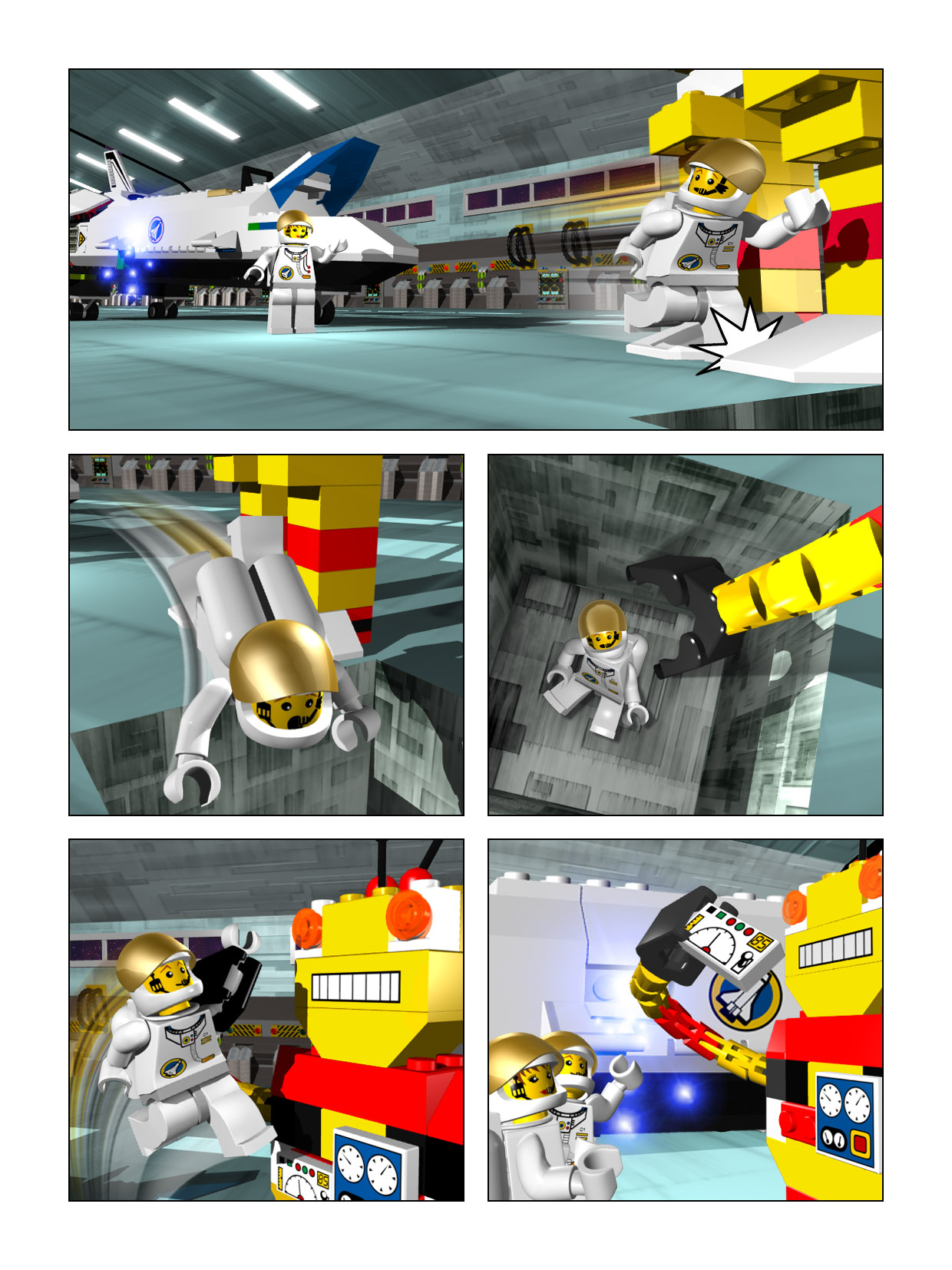
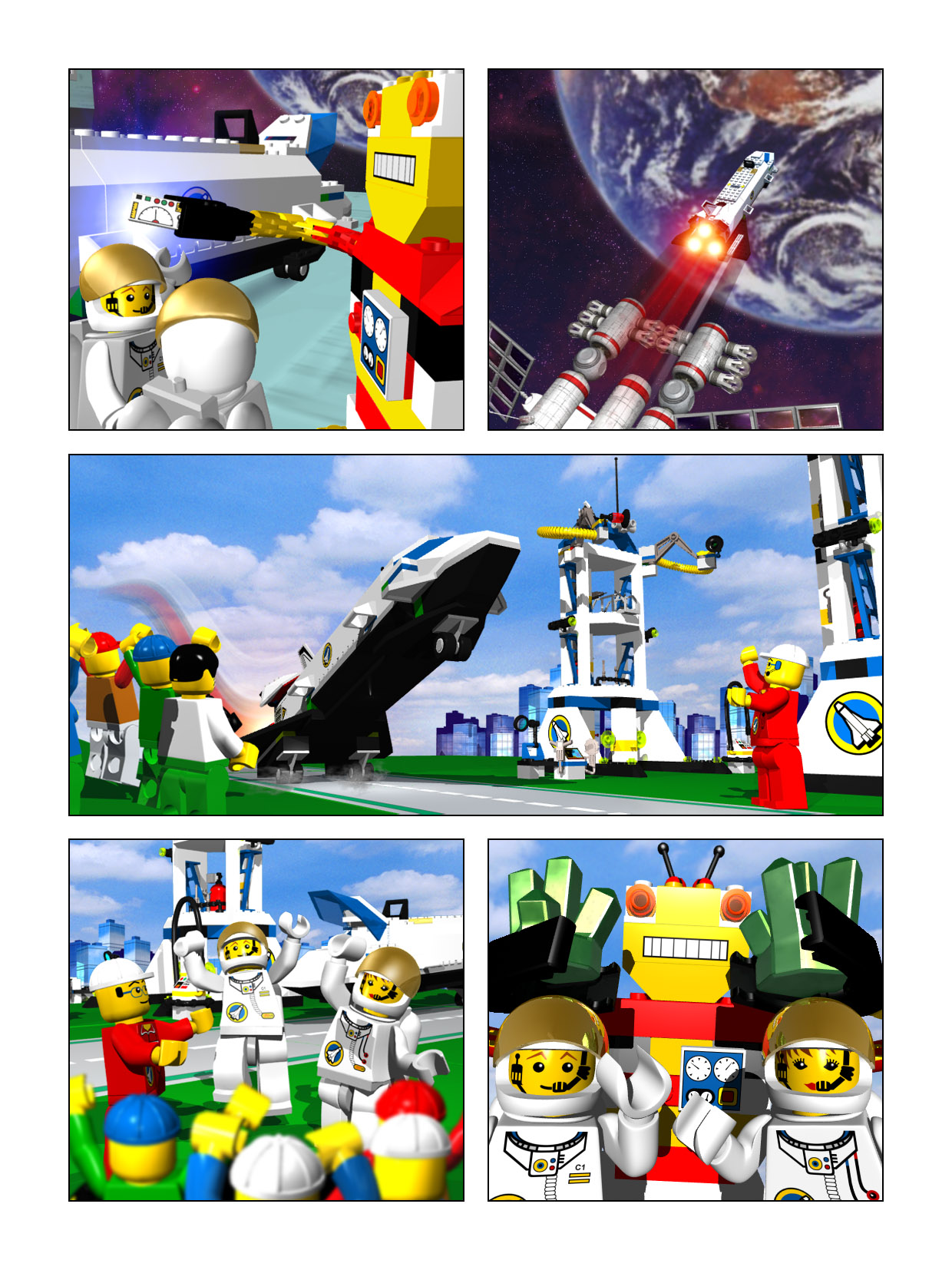
The way it worked was, once we’d agreed with LEGO on what the theme of a particular issue was, say, Rock Raiders, for example, I was then asked to create rough sketches for the comic strip. So I’d draw them up, and when I say 'rough,' I mean I spent way too long on them and made them far too detailed! I also wrote the scripts for, I think, the first full year’s worth of comics. So I wrote them and drew them out like proper comic pages, black and white, fully laid out.
Those scripts and sketches were then sent to Artworld UK, who already had a relationship with LEGO. I believe they’d done some CG work for earlier LEGO video games, so they had experience and access to CG models of minifigures, bricks, and all the assets they’d need. They would take my rough comic layouts and scripts, and turn them into full-color CG-rendered comic strips, which they’d email back to us. Then we’d letter them, lay them out on the page, and send them off to LEGO for approval. It was a really unique and collaborative process.
I remember a guy called Stewart Green at Artworld UK was involved, and I personally dealt with Rob Dorney, who was Head of Art and Graphics at the time. There was also someone named Alan McDermott, but I can’t remember his exact title.
The other thing I was going to mention is the building ideas we featured in the magazine. Every issue had something, sometimes it was just a spread of finished models, like Christmas-themed builds for Christmas to build a tree or Santa. But we also had proper step-by-step guides for building models. Going back through the material, I realized those were actually created by a couple of model makers from LEGOLAND Windsor, a guy named Guy Bagley, and another called Mark Hamley. They came up with the ideas, built the models, photographed them, and sent the instructions over to us.
So really, the whole magazine was a collaborative effort between Egmont, LEGO Media, LEGOLAND Windsor, and Artworld UK. Everyone came together to help create the content.
DO YOU HAVE ANY FOND/AMUSING MEMORIES FROM THE DEVELOPMENT OF THE MAGAZINE?
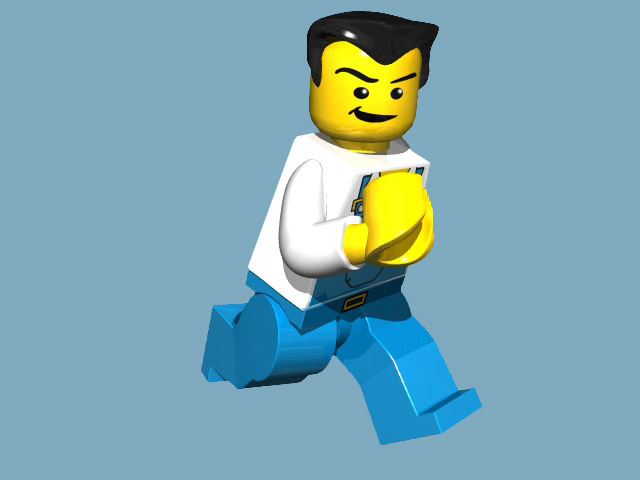
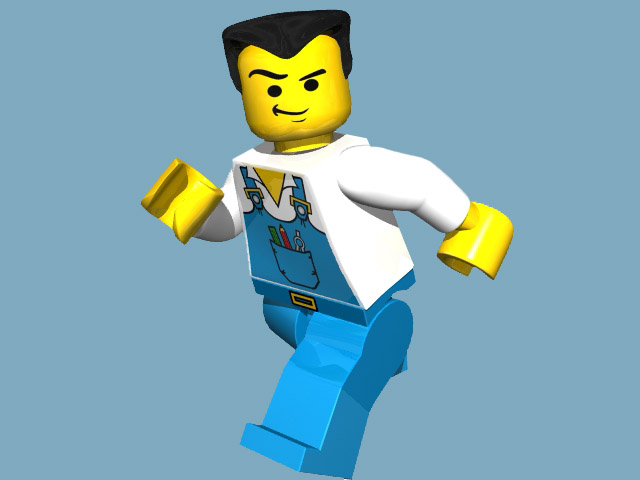
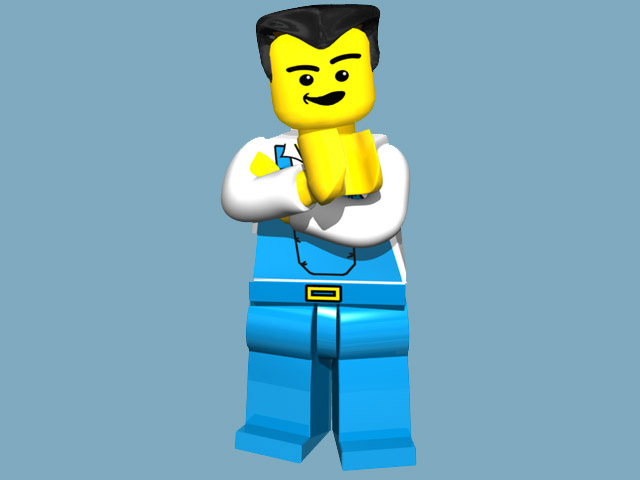
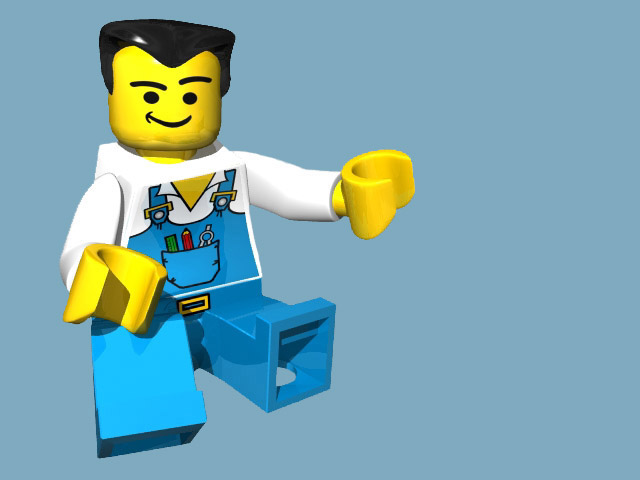
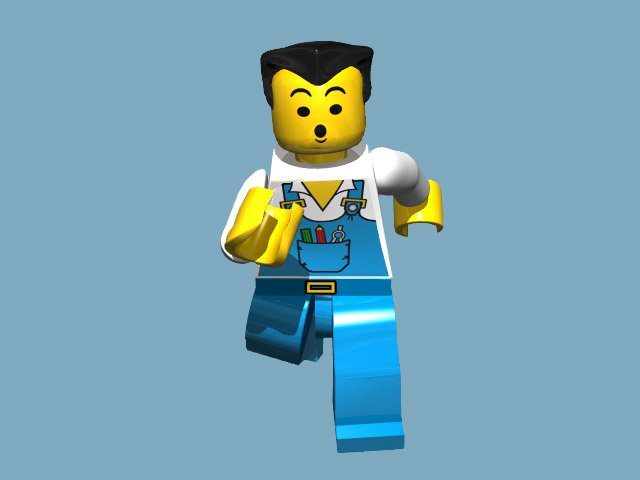
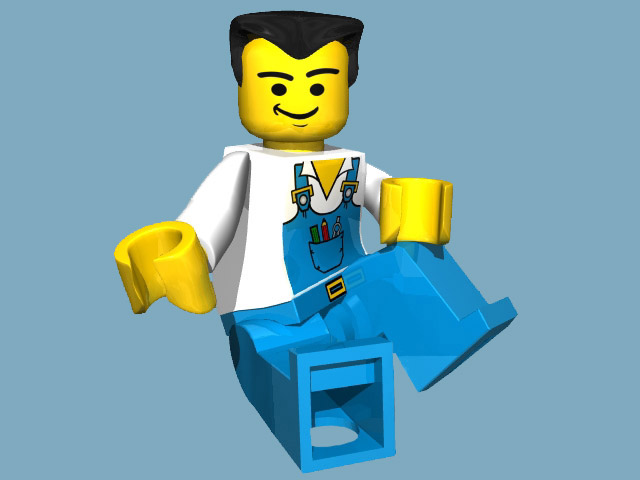
One of the other things I should mention, and you’ve probably seen it in images of LEGO Adventures! Magazine, is that I also came up with the idea for Joe, the character who sort of acted as the editor within the magazine. Joe was essentially a version of me. The idea was that he would guide readers through the magazine, popping up now and then to say things like, “Hey, check this out,” or “Next month, we’ve got this coming.” I was heavily involved in creating Joe, and like I mentioned earlier, also the comic strips.
Funny enough, I didn’t know when I first joined the magazine that I’d be writing and drawing the comic strips myself, but that’s how it worked out. For the first year or so, I handled both the writing and the rough sketches. But then, in either the second or third year, I brought on a fantastic UK comic book writer named Lew Stringer to take over the writing. I tried to loosen up my sketches more after that.
WHAT WAS YOUR FAVORITE ISSUE?
I suppose there are a couple of highlights that spring to mind. The first would have to be the launch issue, just because it was the launch issue. It was a big deal. It got a lot of publicity, sold really well, and most importantly, it proved that I could perform the role of editor. I could actually do the job, and I was the right person for it. That felt great. LEGO were really happy, my company was really happy, so it was just a fantastic start.
WHY DID THE MAGAZINE END?
I think there were a few reasons. The main one, though, was that LEGO Adventures! ran for a total of four years, but toward the end, especially in the UK, kids' magazines were mostly about a bag of plastic toys plus a magazine. It was almost like the magazine was the bonus item, you were buying a bunch of plastic toys with a free magazine included, and because LEGO Adventures! didn’t include a free packet of LEGO with every issue, it just couldn’t compete.
The LEGO Group’s stance was that they didn’t want to give away LEGO for free, as it would devalue the brand. So instead of offering LEGO as a free gift, they gave us a few small polybags, maybe four per year, and they were very small. I think we might have increased the cover price to cover the cost, but I’m not entirely sure. The issue was, a kid would walk into a newsagent in the UK and see all these magazines with lots of free things, sometimes packets of candy, a toy, or whatever, plus the magazine. LEGO Adventures! had just the magazine and maybe a sticker sheet, and it just couldn’t compete with that.
Another factor was that Egmont, thinking LEGO Adventures! was an officially licensed LEGO product, expected countries to be eager to pick it up. But France wasn’t interested, and that was a significant market for Egmont. Spain and Portugal might have picked it up, but overall, they thought more European countries would jump on board, paying licensing royalties, which would make it quite profitable. But as time went on, only Poland, Russia, and a few other countries took it on. So, it ultimately came down to a business decision.
It’s interesting now, though, because in the UK, there are probably six regular official LEGO magazines, all of which have polybag covermounts on them every issue.
WHAT HAPPENED AT EGMONT FLEETWAY FOLLOWING THIS?
Jason McEvoy and I moved on to a number of different magazines. We eventually launched a kids’ magazine in the UK called Toxic, which is still going strong to this day. In fact, it’s currently the biggest-selling magazine aimed at boys. It’s a lifestyle magazine, covering video games, movies, toys, Pokémon, and all sorts of other stuff. We ran Toxic for about six years together, and we’re still in touch via Facebook. I think he lives in France now, so we haven’t seen each other in a while.
As for Colin, we had an interesting working relationship. He remained my editorial director for many years after that, since I ended up staying at Egmont for 10 years. During that time, something notable happened, Egmont changed its name from Fleetway to Egmont Magazines. Fleetway used to publish a lot of kids’ magazines, but it also published 2000 AD, Judge Dredd, and other titles back when it was still called Fleetway. Then Egmont bought Fleetway, and it became Egmont Fleetway before eventually rebranding to just Egmont Magazines.
As appreciation for Matt Yeo's wonderful interview, we encourage readers to check out his wonderful work on Brick Fanatics!